 |
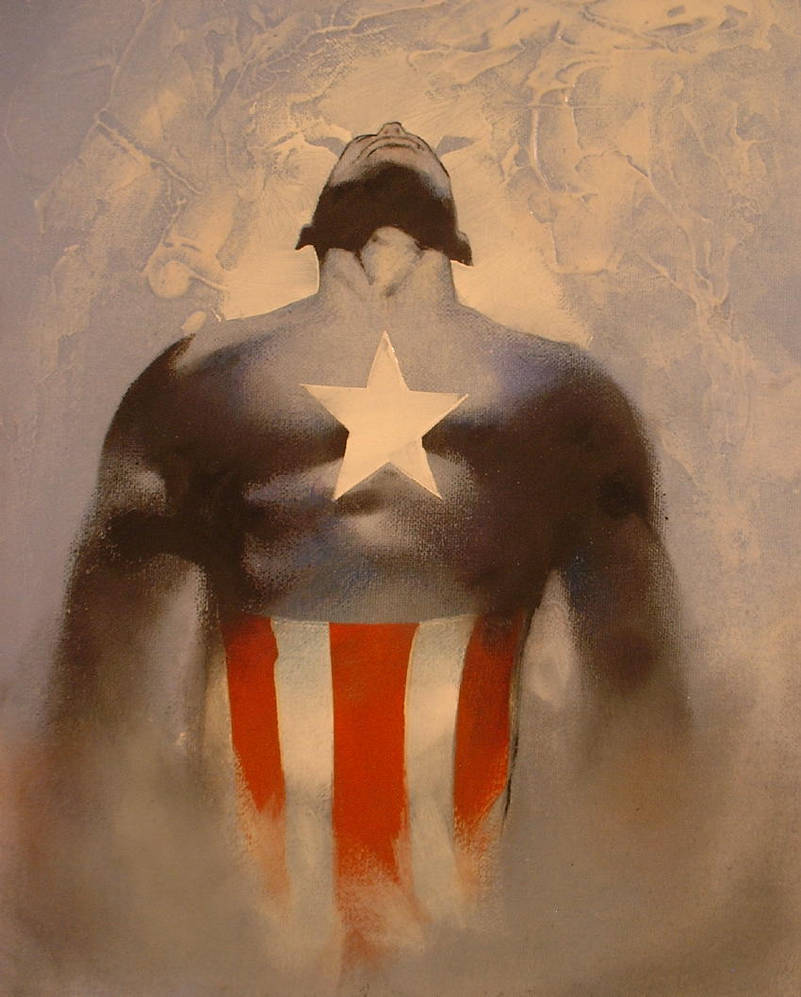
| Captain America Rises, by Shelton Bryant @ deviantart.com |
There is that part of every hero
story I love when things look impossibly bleak. The hero has been defeated, for
now, and is missing, crippled, or seemingly dead. The villain reigns and wreaks
havoc. The people suffer. Superman wrapped in kryptonite. Thor without his hammer.
Batman unmasked. Captain America, the chiseled-chin member of the Greatest
Generation and all its red, white, and blue heroism and American values lost to
the world, frozen in a block of ice.
I think we’re at that point in
this national story of ours.
Things look impossibly bleak. A
pandemic is growing exponentially as I write this, from one case to more than
100,000 cases in the last three weeks, deaths in the thousands, and soon to be
tens of thousands. People isolated from one another in their homes, afraid and scraping
by each day, or afraid and protective of some hoard of milk, bread, and toilet
paper.
Meanwhile, the villain reigns. A
monster clawing and biting and rending at the foundation of this more perfect
union. But unlike some movie phantasm, this monstrosity is not one figure, real or imagined. Instead, it is the hydra-headed, shape-shifting villain of
political division, the nightmare monster of our national politics. These days it mostly takes the form of a split down the middle between us and them, in whatever form the Us and the
Them take, but mostly seen these days as the Red versus the Blue, the
Republicans versus the Democrats, the Left versus the Right.
The people suffer and the monster grows. We attack each
other on social media. We lob Molotov cocktails of half-truths and memes and propaganda
and accusation and threat and uncivil war. We meet the enemy, and though he is
us, every day the division grows, the distrust festers, the annoyance becomes fear
and sometimes even hatred and sometimes even violence. The monster grows because we do its dirty, destructive, deadly work. The monster grows because we are afraid: afraid of this virus, of people who live down the block who think and act differently, of people we've known all our lives. And nothing feeds the monster more than our fears.
So we are there, in the dark night of the soul. Just this week I myself have had painful exchanges with people I love because of the monstrous division that separates the Us from the Them. What happens now? Do we wipe each other out? Do we turn away? Do we disintegrate? Does the monster win? I am afraid the answer to any of these questions could be yes. All could be lost. The night is that dark.
So we are there, in the dark night of the soul. Just this week I myself have had painful exchanges with people I love because of the monstrous division that separates the Us from the Them. What happens now? Do we wipe each other out? Do we turn away? Do we disintegrate? Does the monster win? I am afraid the answer to any of these questions could be yes. All could be lost. The night is that dark.
__________________________________________________________________________
In the hero stories I have always
been drawn to, the dark night of the soul is the moment just before things get better. At this point in the story there is often a symbolic death and
rebirth. The hero goes through a dark night of the soul and who the hero was dies and transforms to the hero the world needs right now. (As a religious term,
dark night of the soul refers to a spiritual experience during a time of crisis
that will turn a person towards faith and the Creator. As a term in story or
popular culture, it’s when the hero faces some dark truth, and in facing it,
finds the answer or insight that was previously unknown, but that holds the key
to defeat the villain and restore the kingdom.) The hero finds a strength that
would not have been possible without the defeat, turns to see the day dawning with the light of clarity and purpose that would not have been possible without the darkest of
dark.
I wonder if this dark night of
our national soul can get us to that dawn.
There is no stable, healthy,
prosperous future for us without defeating this division, and by us I mean US in capital letters, the United
States, where there is and has always been room for the Left and the Right and
the Red and the Blue, and where in fact our checks and balances on each other
and our diversity of thought and purpose and priority were a national strength,
not a national threat. To do it, we need the actions of a hero.
But of course, there is no Captain
America frozen somewhere in a block of ice that can be thawed to rescue us.
That Captain America, that Greatest Generation hero, is frozen inside each one
of us, waiting for the warmth of the new day. We are greater united than we ever could be
divided, and in our unity we have the power to defeat any threat: any villain,
any threat to our public square, even any pandemic. We are greater than social media bombast, propaganda, and the guerrilla warfare of meme.
Captain America was created during World War 2, when citizens united around a fight against Facism, came together in community gardens and rubber drives and citizen patrols. The first issue hit the comic book stands in March, 1941, when Hitler's war machine was rampaging in Europe and plans were soon to be made in Japan to attack Pearl Harbor, waking up the sleeping hero.
Truth be told, in the stories I really love, the hero isn't all that super. Rather, the hero is a simple, ordinary person who does good deeds because he loves his home and his neighborhood and family, and finds peace and harmony and a good meal with loved ones the greatest treasures on earth. It doesn't take superpowers to want to live in peace and harmony with one another and to make and take the decisions and small, ordinary steps to make those things happen. That's what kills this many-headed monster, anyway: ordinary people who decide to be decent to one another and live in harmony, and the neighborhood we love so much stretches from sea to shining sea. After this dark night of the soul, the best we can work towards is a day when we all step into the light and see each other as neighbors, clap each other on the back with a laugh and say "good to see you again, old friend."
This pandemic is a real threat. Many have died already. Many more will die. I am afraid heartbreak will come to all of our homes, if not tragedy itself. But the threat of the pandemic is not larger than the threat of what it could do to deepen the division between us/US.
On the other hand, the pandemic could be the division between the dark night of the soul and the day that dawns next, when we have what we need to defeat the monster. We could spend our time in isolation as the dark night of the soul of this nation, when we find the strength and courage and clarity of purpose that would not have been possible otherwise.
A new day will dawn in our national story. Who will we be when it does?
Captain America was created during World War 2, when citizens united around a fight against Facism, came together in community gardens and rubber drives and citizen patrols. The first issue hit the comic book stands in March, 1941, when Hitler's war machine was rampaging in Europe and plans were soon to be made in Japan to attack Pearl Harbor, waking up the sleeping hero.
Truth be told, in the stories I really love, the hero isn't all that super. Rather, the hero is a simple, ordinary person who does good deeds because he loves his home and his neighborhood and family, and finds peace and harmony and a good meal with loved ones the greatest treasures on earth. It doesn't take superpowers to want to live in peace and harmony with one another and to make and take the decisions and small, ordinary steps to make those things happen. That's what kills this many-headed monster, anyway: ordinary people who decide to be decent to one another and live in harmony, and the neighborhood we love so much stretches from sea to shining sea. After this dark night of the soul, the best we can work towards is a day when we all step into the light and see each other as neighbors, clap each other on the back with a laugh and say "good to see you again, old friend."
This pandemic is a real threat. Many have died already. Many more will die. I am afraid heartbreak will come to all of our homes, if not tragedy itself. But the threat of the pandemic is not larger than the threat of what it could do to deepen the division between us/US.
On the other hand, the pandemic could be the division between the dark night of the soul and the day that dawns next, when we have what we need to defeat the monster. We could spend our time in isolation as the dark night of the soul of this nation, when we find the strength and courage and clarity of purpose that would not have been possible otherwise.
A new day will dawn in our national story. Who will we be when it does?

